What is really driving what your Orland Park home is worth right now? If you are thinking about selling, you want more than a rough estimate. You want to understand how buyers and appraisers see your property, what local data matters, and which decisions help you capture top value. In this guide, you will learn the key factors that move price in Orland Park and how to use them to set a confident strategy. Let’s dive in.
The value drivers in Orland Park
Location inside Orland Park
Where your home sits within Orland Park shapes buyer demand. Micro-neighborhood features like cul-de-sacs, proximity to parks, paths, or retail centers can influence how many showings you get. Many buyers also consider public school attendance boundaries when comparing homes, so boundaries can affect price differences across town. Commute access matters too, since proximity to Metra, major roads, and expressways can be a deciding factor for Chicago and southwest suburban commuters.
Not every location feature is positive. Floodplains, wetlands, or areas near high-traffic or industrial corridors can reduce buyer interest. If any of these apply to your lot, you will want to price with accurate local comps that reflect similar conditions.
Home features and condition
Buyers and appraisers look closely at size, layout, and maintenance. Finished square footage, bedroom and bathroom count, and a functional floor plan are core value drivers. Lot size and usable outdoor space also matter, especially if your yard offers privacy, a deck, or a patio.
Age and quality of construction come into play. The remaining life of key systems like the roof, HVAC, windows, electrical, and plumbing can raise confidence or trigger discounts. Visible deferred maintenance, like worn siding, foundation cracks, or aging gutters, leads to lower offers and tougher appraisals. In our market, finished basements add meaningful value when they are usable, well-lit, and consistent with the rest of the home’s quality.
Upgrades and modern appeal
Kitchens and bathrooms do the heavy lifting. Updated finishes, quality countertops, newer appliances, and clean, neutral design tend to attract more buyers and support stronger appraisals when comparable renovated homes have sold nearby. Flooring, lighting, and energy-efficient upgrades such as new windows or HVAC can also boost perceived value.
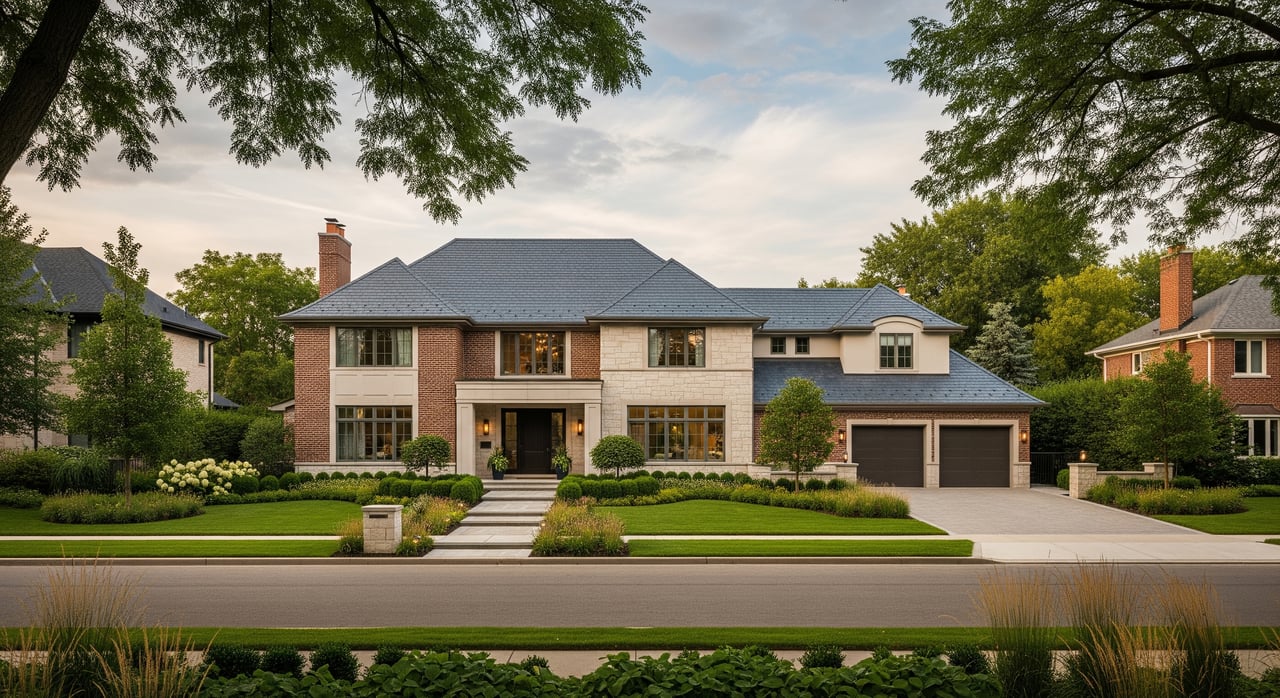
Do not overlook curb appeal. Fresh landscaping, exterior paint or siding care, and an inviting front entry are often lower-cost improvements that shorten time on market and can improve final price.
Taxes and carrying costs
Your Cook County property taxes and any special assessments influence a buyer’s monthly payment and budget. High carrying costs can narrow the buyer pool. When pricing, disclose the current tax bill and any exemptions. If your home has an HOA or municipal utility assessments, expect buyers to factor those into their decision.
How value is determined in practice
The appraiser’s playbook
For typical single-family homes, appraisers primarily use the Sales Comparison Approach. They select recent closed sales of similar homes, ideally in the same subdivision or close by, then make adjustments for differences in size, bed and bath count, finished basement, lot size, and condition. In active markets, they prioritize sales from the last 3 to 6 months. If turnover is slow, the window can extend up to 12 months. Appraisers usually analyze 3 to 6 closed comps and may reference pending and active listings for context.
Appraisers verify data with MLS records, public data, and an on-site inspection. They measure living area, note upgrades and deficiencies, and reconcile a final value that reflects both the comps and the property’s condition.
How buyers judge value
Buyers focus on what it feels like to live there and what the monthly payment will be. Move-in readiness, layout flow, finishes, and neighborhood context often rank higher than technical adjustments. Current mortgage rates place a clear ceiling on what many buyers can finance, so payment sensitivity is real. Buyers compare list prices to recent sold prices, but they also watch actives, price reductions, and days on market to gauge negotiation room and momentum.
Common adjustments and reductions
Expect appraisal adjustments for major differences. Price per finished square foot is a starting point, but it is adjusted for bedroom and bathroom count, finished basement quality, lot features, and obvious condition issues. If your home needs a roof soon or has visible maintenance concerns, the appraised value often reflects those costs. Micro-location differences inside Orland Park can be quantified when enough similar comps exist.
Read the current market
The broader Chicagoland market influences your final sale price. To read the market correctly, have your agent pull:
- Median sale price, median days on market, months of inventory, and list-to-sale price ratio for Orland Park.
- Closed sales in the last 6 months in your subdivision, plus the last 3 months of pending and active listings to understand momentum and competition.
Inventory levels matter. Fewer homes for sale often pushes prices higher, while growing inventory can add pressure to price more competitively. Sales velocity shows demand. A tight list-to-sale ratio suggests limited negotiation space. Mortgage rates are a key factor too. When rates are higher or volatile, buyer purchasing power tightens, even when demand remains stable. Local employment trends and new development also shape confidence over time.
Your pre-listing valuation checklist
Gather these items before pricing your home:
- 3 to 6 recent closed comps from the same subdivision or immediate area that match size, bed and bath count, lot, and condition.
- A snapshot of current actives and pendings to see what buyers will compare to your home today.
- Your Cook County tax bill, assessment history, and any exemptions or special assessments.
- A dated list of updates and mechanicals, with receipts and permits where applicable.
- Current photos that reflect true condition and curb appeal.
- A floor plan with accurate measurements of finished living area, including basement finish details.
Smart pricing and presentation
Pricing is a strategy, not just a number. Use a narrow pricing band anchored to the strongest, most relevant comps. Overpricing often leads to later reductions and longer days on market, which can hurt your outcome.
Small, targeted improvements can deliver outsized results:
- Interior refresh: deep clean, neutral paint, modern lighting, and modest kitchen or bath touch-ups where your comps show buyer sensitivity.
- Exterior polish: trim landscaping, clean hardscapes, and ensure a welcoming front entry.
- Pre-listing inspection: surface serious issues early and address them to reduce renegotiations and appraisal surprises.
- Professional media: quality photography and floor plans help the right buyers connect quickly and boost confidence in your list price.
Improvements that influence returns
- Kitchen and bath updates: high-impact for buyers. Value depends on quality and how many nearby homes feature similar upgrades. Most projects do not recoup 100 percent of their cost, but they can drive higher offers and faster sales when matched to local comps.
- Finished basements: useful, high-quality space adds value when disclosed and measured correctly. Align with neighborhood expectations for finishes.
- Energy efficiency and mechanicals: newer HVAC, windows, and insulation are increasingly valued and can be an appraisal positive.
- Large additions: only pay off when in step with neighborhood norms. Over-improving can limit your percentage return.
Key metrics you should know
- Median sale price: the middle sale price over a set period. It gives a quick read on where the market is trending.
- Price per finished square foot: sale price divided by finished above-grade living area. Compare homes with similar layouts and adjust for any finished basement.
- Days on market (DOM): the average time a listing takes to go under contract. Shorter DOM often signals stronger demand.
- Months of inventory: how long it would take to sell the current supply at the current pace. Under about 3 months often behaves like a seller’s market, 4 to 6 is balanced, and more than 6 leans buyer’s market. Local thresholds can vary.
- List-to-sale ratio: sale price divided by original list price. It shows how much buyers negotiate and how “hot” the market feels.
Putting it together for your address
Your home’s value in Orland Park is not set by a national average. It is a careful read of micro-location, condition, upgrades, and the most recent comparable sales, all framed by today’s inventory, buyer demand, and mortgage rates. When you combine accurate comps with targeted preparation and smart pricing, you give yourself the best path to a strong appraisal and a top-of-market result.
If you want a precise read on your address, a local comparative market analysis, and a clear plan to present your home at its best, connect with Lena Matariyeh. Our boutique team blends Christie’s-level marketing with neighborhood-rooted service so you can list with confidence, attract the right buyers, and move on your timeline.
FAQs
How many comps do appraisers use in Orland Park?
- Most appraisers analyze 3 to 6 recent closed sales of similar homes, ideally from the same subdivision. In active markets they prefer the last 3 to 6 months, and they may look up to 12 months in slower segments.
Do Orland Park school boundaries affect home prices?
- Many buyers consider public school attendance areas when comparing homes. The impact varies by neighborhood, so you should measure it using local comps that share the same boundaries.
Will a kitchen remodel fully pay back at resale in Orland Park?
- Not usually. Kitchens tend to offer strong buyer appeal, but most renovations do not recoup 100 percent of cost. Appraisers look for nearby renovated comps to support higher pricing.
How do Cook County property taxes influence buyer interest?
- Higher property taxes increase monthly payments and can shrink the buyer pool. When pricing, disclose the current tax bill and exemptions so buyers can evaluate affordability.
What can I do if the appraisal comes in low on my Orland Park sale?
- Options include reducing price, asking the buyer to bring additional cash, or submitting a data-backed rebuttal with better comps through the lender. You can also explore a different lender and appraiser if timelines allow.