Thinking about trading Chicago’s fast pace for more space in Orland Park? You are not alone. For many movers, this shift is about more than a new address. It is a change in home style, commute habits, and daily routine. If you are wondering what that move really looks like, this guide will help you compare housing, transportation, lifestyle, and timing so you can plan with confidence. Let’s dive in.
What Changes When You Move
Moving from Chicago to Orland Park usually means shifting from a dense urban environment to a lower-density suburban one. Census Reporter data for Orland Park estimates 57,916 residents across 22 square miles, while Chicago has 2,721,326 residents across 227.7 square miles. That difference shapes how you live day to day.
Orland Park also has an older median age, larger household size, and higher median household income than Chicago, according to the same Census Reporter profile. In practical terms, many buyers experience the move as a change in rhythm. You may spend less time walking between daily stops and more time planning around driving, errands, and scheduled activities.
Compare Housing First
Orland Park Has More Detached Homes
If your main reason for leaving Chicago is to gain space, Orland Park’s housing mix is a big part of the story. CMAP’s Orland Park snapshot shows that 57.5% of the housing stock is single-family detached. It also shows that 36.3% of homes have 3 bedrooms and 21.8% have 4 bedrooms.
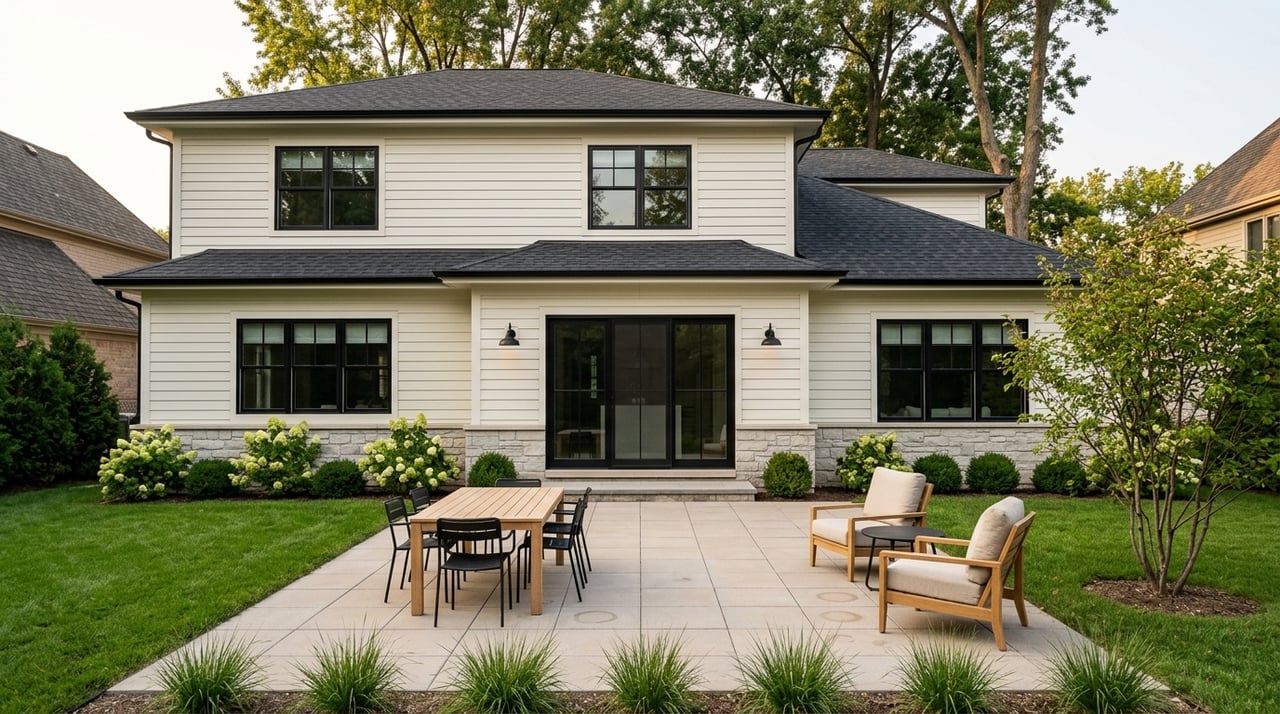
That is very different from Chicago’s more mixed housing profile. CMAP housing data used for Chicago comparison shows a much heavier share of multi-unit buildings, including 2 to 4 units, 5 to 49 units, and 50+ unit structures. For many buyers, this means moving from a condo, apartment, or two-flat setup into a detached home with more bedrooms, yard space, and dedicated parking.
Age And Layout Feel Different
Housing age can shape both style and maintenance expectations. Orland Park’s median year built is 1988, based on CMAP data, while the Chicago comparison median year built is 1952, according to CMAP’s local housing profile. That does not mean one is better than the other, but it often means floor plans, garages, lot sizes, and storage setups feel different.
If you want a more suburban layout, that can be a major plus. If you prefer a compact city footprint, it is worth thinking carefully about how much house you actually want to maintain.
Look Beyond The Median Price
At first glance, Orland Park may appear less expensive than Chicago. Redfin’s March 2026 housing market data reported a median sale price of $347,500 in Orland Park, compared with $411,050 in Chicago. The same source showed a median price per square foot of $201 in Orland Park versus $293 in Chicago.
That price gap matters, but the better question is what kind of home you get for your budget. In many cases, buyers moving from Chicago to Orland Park are not simply spending less. They are buying a different product type, often with more bedrooms, more land, and more private parking.
Homes were also selling on a similar timeline in March 2026. Redfin’s market report showed about 46 days on market in Orland Park and 50 days in Chicago, with both markets described as somewhat competitive. That is a good reminder to line up your financing and move plan early.
Test Your Commute Before You Commit
Metra Works Best For Weekdays
If you still need access to downtown, commute planning should be near the top of your list. Metra’s SouthWest Service serves Orland Park at 143rd Street, 153rd Street, and 179th Street. Metra also notes that this line does not operate on weekends or holidays.
That detail is important. If you commute during the workweek, the rail option may fit your routine. But if you are used to seven-day transit flexibility in Chicago, Orland Park will likely feel more car-dependent.
Pace Can Support Some Trips
Pace Route 832 provides weekday service between downtown Joliet and Orland Park and serves the 153rd St./Orland Park Metra Station. For transit-dependent buyers, station access and bus connections should be part of your home search, especially if you do not want to drive to the train.
Still, most households in Orland Park are set up for driving. CMAP transportation data shows that 41.3% of households have two vehicles and 20.5% have three or more, while only 3.9% have no vehicle available. That supports what many Chicago movers notice quickly: your routine in Orland Park often centers on the car.
Expect A Different Daily Rhythm
One common concern is whether suburban life will feel too quiet after Chicago. In reality, Orland Park still offers plenty to do, but the pace and access pattern are different. The Village of Orland Park Recreation & Parks Department says the community has more than 650 acres of park land along with seasonal programs, special events, fitness centers, an aquatic center, and heritage sites.
Village tourism materials also highlight shopping, dining, concerts, community events, and the annual Taste of Orland Park through the same Orland Park community resources. So the tradeoff is not really between activity and inactivity. It is more about how you reach those activities and how intentionally you plan your week.
If you are moving from a walkable Chicago neighborhood, expect fewer spontaneous corner-stop errands. In exchange, you may gain more room at home and easier access to parks, recreation spaces, and larger shopping areas.
A Practical Plan For Moving
Start With Your Home Type
Before you tour anything, decide what you actually want from the move. Based on CMAP’s Orland Park housing profile, detached homes make up the largest share of inventory, so buyers seeking that setup will likely find more options here than in Chicago.
Ask yourself:
- Do you want a detached single-family home, townhome, or condo?
- How many bedrooms do you need now and in the next few years?
- How important are a garage, yard, or extra storage?
- Are you comfortable with more home maintenance in exchange for more space?
Getting clear on these answers helps you avoid chasing homes that look appealing online but do not fit your daily needs.
Line Up Financing And Timing Early
Because both markets were still somewhat competitive in March 2026, it is smart to get preapproval and a move timeline in place early. Redfin’s market data supports this approach with similar days-on-market numbers in both locations.
If you need to sell in Chicago before buying in Orland Park, timing matters even more. A clear plan can reduce stress, help you move faster when the right property appears, and give you a more realistic picture of your budget.
Use Virtual Tours Strategically
If you are still living in the city, do not waste weekends driving out for every listing. Start with virtual tours and listing photos to screen for:
- Floor plan flow
- Bedroom count
- Yard size
- Garage setup
- Overall location relative to your routine
Then narrow your list and visit in person. This saves time and helps you compare homes more objectively.
Visit Once On A Weekday And Once On A Weekend
This is one of the smartest things you can do before relocating. Schedule one weekday visit to test your commute and one weekend visit to test errands, parking, shopping, and recreation.
That split matters because Metra’s SouthWest Service is a weekday commuter line and does not run on weekends or holidays. What feels convenient on Tuesday morning may feel very different on Saturday afternoon.
How To Know If Orland Park Fits You
Orland Park may be a strong fit if you want more living space, a housing stock centered on detached homes, and a suburban routine with parks, recreation, and shopping close at hand. It can also make sense if you still want access to the Chicago area while shifting your day-to-day life toward a quieter, more scheduled pace.
The best move decisions are not just about price. They are about matching your home, commute, and lifestyle to what you actually want over the next several years. When you look at Orland Park through that lens, the move becomes much easier to evaluate.
If you are weighing a move from Chicago and want local guidance on neighborhoods, timing, or how to coordinate a sale and purchase, Lena Matariyeh can help you build a plan that fits your goals.
FAQs
Is relocating from Chicago to Orland Park mainly about getting more space?
- Often, yes. Orland Park’s housing stock is more heavily focused on detached homes with 3- and 4-bedroom layouts, which can appeal to buyers moving from condos, apartments, or other multi-unit housing in Chicago.
Is commuting from Orland Park to downtown Chicago realistic?
- It can be, especially on weekdays using Metra’s SouthWest Service stations in Orland Park, but you should remember that the line does not operate on weekends or holidays.
Is Orland Park more car-dependent than Chicago?
- Yes. Local transportation data shows most households have multiple vehicles, and daily routines often revolve more around driving than Chicago’s walk-and-transit pattern.
Is Orland Park less expensive than Chicago for homebuyers?
- Based on March 2026 Redfin data, Orland Park had a lower median sale price and lower price per square foot than Chicago, but the bigger difference is often the type and size of home you can buy.
Should you visit Orland Park at different times before moving from Chicago?
- Yes. A weekday visit can help you test the commute, while a weekend visit can give you a better feel for errands, parking, shopping, and recreation.