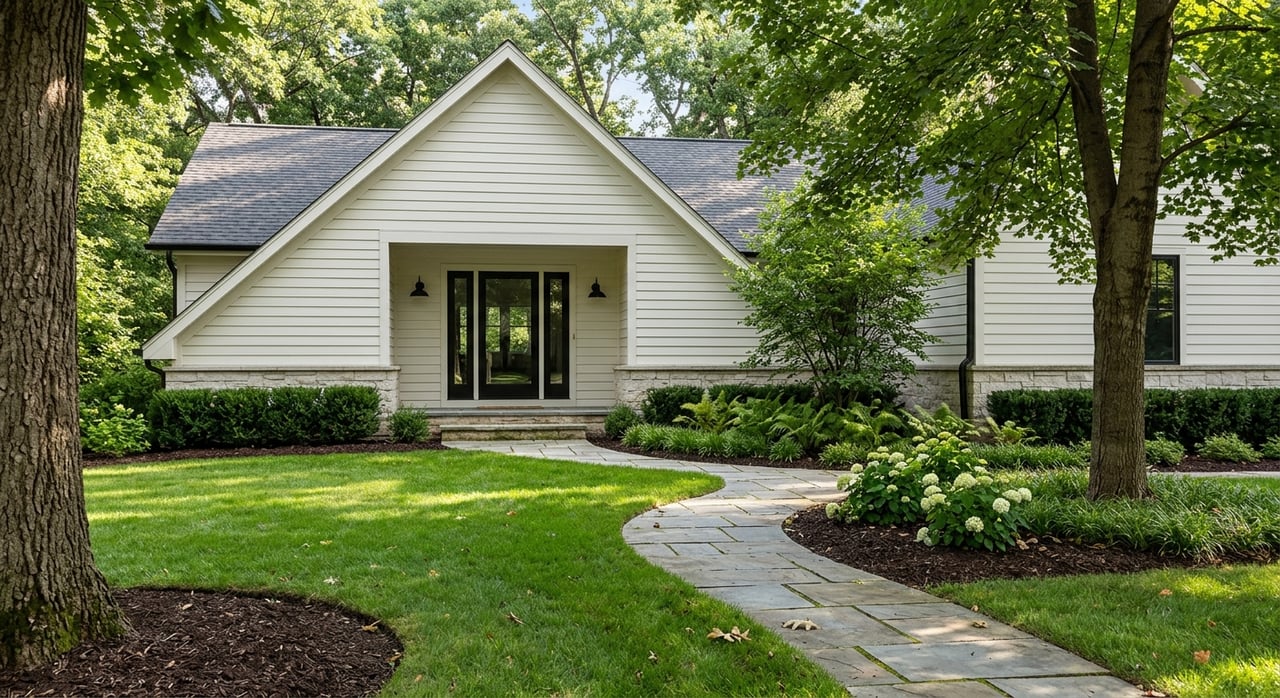
Looking for a suburb where nature is not just nearby, but woven into everyday life? If you are drawn to wooded views, quiet roads, and easy access to trails, Palos Park offers a setting that feels distinct within Chicagoland. For buyers who want a home base with a calmer, greener backdrop, this village stands out in all the right ways. Let’s dive in.
Why Palos Park Feels So Green
Palos Park is shaped by its natural setting in a way many suburbs are not. Village materials describe a heavily wooded community with hills, creeks, ravines, and a landscape bordered by nearly 11,000 acres of preserve land. When the larger contiguous Sag Valley Division is included, the nearby preserve network is described as nearly 14,000 acres.
That natural edge is a big part of the village identity. According to local village history, the surrounding preserves helped insulate Palos Park from suburban sprawl and preserve its timeless character. In simple terms, this is a place where the green space helps define the community itself.
The larger preserve system adds even more context. The Forest Preserves of Cook County identifies the Palos area as the county’s largest preserve complex, covering about 15,000 acres of rugged terrain, lakes, scenic views, and wildlife habitat. That helps explain why Palos Park often feels more like a quiet retreat than a typical suburban stop.
Outdoor Living Is Part of Daily Life
If you love being outside, Palos Park offers more than a small neighborhood park or a short walking path. The village says residents have access to 51 miles of trails, with connections to both the Palos Trail System and the Cal-Sag Trail. That gives you a broader outdoor network to enjoy throughout the year.
The local preserve system supports a wide range of uses. Village and county preserve materials describe trails and open areas used for hiking, biking, horseback riding, fishing, and cross-country skiing. The result is a landscape that supports active living in every season.
What makes this especially appealing is the setting itself. The preserve areas include woodlands, prairies, ravines, ponds, sloughs, and wetlands, so the experience feels scenic and varied rather than repetitive. If your ideal weekend starts on a trail instead of in traffic, Palos Park may feel like a natural fit.
A Landscape-Driven Lifestyle
Some suburbs are defined by shopping corridors or large entertainment districts. Palos Park is different. Here, the lifestyle story is driven more by land, trees, trails, and topography.
That can shape how your day feels. You may find yourself choosing a bike ride, a hike, or a quiet walk through wooded surroundings simply because those options are built into the fabric of the area. For many buyers, that is exactly the appeal.
What Homes in Palos Park Are Like
Palos Park is known primarily as a low-density, single-family community. Village history notes that early leaders required residential lots of about an acre, and the current R-1 zoning district is intended for an established pattern of single-family development on lots of one acre or more. That planning history still influences the village today.
For buyers, that often translates into a sense of space. Larger lots can create more separation between homes, a stronger connection to the wooded surroundings, and a more private feel overall. In a nature-focused setting like Palos Park, that lot pattern is an important part of the experience.
Village planning documents also describe several housing formats. These include single-family estate homes on large lots, traditional detached homes on more typical suburban lots, and patio homes designed to preserve some open space. While there are also townhouse, rowhome, cottage house, and multifamily categories in designated areas, those are not the dominant pattern.
Large Lots Support the Setting
The housing story in Palos Park is closely tied to the land. Planning materials note that estate homes are associated with larger lots and outdoor features, which fits the village’s retreat-like character. If you are looking for a home where the outdoor setting matters as much as the square footage, this can be a meaningful advantage.
This does not mean every property is the same style or scale. It does mean the village has a clear residential identity built around lower-density living and a stronger relationship to open space. That consistency is part of what many buyers notice right away.
Why Nature Lovers Are Drawn Here
For many buyers, Palos Park checks an emotional box that is hard to find elsewhere. It offers a wooded, privacy-oriented feel while still being part of the larger Chicagoland market. You are not choosing between access and atmosphere as much as finding a place that balances both.
Village materials emphasize a small-town community centered on outdoor recreation in all seasons. That makes Palos Park especially appealing if you want your home environment to feel quieter and more secluded without stepping too far away from everyday conveniences. The preserve system is not an afterthought here. It is part of what makes the village feel different.
There is also a sense of continuity in the setting. Because preserve land helps frame the edges of the community, the natural backdrop is not limited to one corner or a single subdivision. That broader green context is a major reason buyers often see Palos Park as a lifestyle choice, not just a home search area.
Practical Access Still Matters
A nature-forward setting does not mean you are cut off from the rest of the region. Palos Park has commuter rail access through Metra’s SouthWest Service, and the village identifies rail service as part of its local infrastructure. The Palos Park station is located at 123rd Street and 82nd Avenue.
That balance matters if you want a more peaceful home base without giving up practical connections. You can enjoy the wooded feel and trail access while still living in a community with everyday village services and regional transportation options. For many buyers, that mix is what makes Palos Park especially compelling.
What to Keep in Mind as You Search
If you are considering Palos Park, it helps to focus on the features that matter most to your lifestyle. In a community shaped by preserve land and larger residential lots, the right fit is often about more than bedroom count alone.
Here are a few smart things to consider as you explore homes:
- Lot size and setting: A larger lot may offer more privacy, tree coverage, or outdoor space.
- Access to trails and preserves: Some locations may make it easier to enjoy the area’s outdoor network regularly.
- Home style and upkeep: Larger homes or estate-style properties can come with different maintenance needs.
- Commute needs: If rail access matters to you, station proximity may be an important factor.
- Long-term lifestyle fit: Think about how much value you place on quiet surroundings, open space, and outdoor recreation.
A home search in Palos Park often works best when you look at both the property and the setting together. The natural surroundings are a major part of the value proposition.
How Local Guidance Can Help
In a market like Palos Park, neighborhood context matters. Two homes with similar specs can feel very different depending on lot layout, tree cover, preserve adjacency, and overall setting. That is where local perspective becomes especially useful.
Working with a team that understands southwest Chicagoland can help you compare not just price points, but also how each property fits your day-to-day goals. Whether you are buying your next home or preparing to sell a property with a strong outdoor setting, clear local insight can help you make a more confident move.
If you are thinking about buying or selling in Palos Park, Lena Matariyeh can help you navigate the market with local knowledge, responsive service, and a thoughtful strategy tailored to your goals.
FAQs
What makes Palos Park different from other Chicago suburbs?
- Palos Park is defined by its wooded landscape, rolling topography, and close relationship to a large preserve system that helps shape the community’s overall character.
What kinds of homes are common in Palos Park?
- Palos Park is primarily a low-density, single-family community, with many homes on large lots and some attached or multifamily housing in designated areas.
What outdoor activities are available near Palos Park homes?
- Local materials highlight hiking, biking, horseback riding, fishing, and cross-country skiing, supported by a broad preserve and trail network.
Does Palos Park offer commuter access for Chicago-area buyers?
- Yes. Palos Park has access to Metra’s SouthWest Service, with a station at 123rd Street and 82nd Avenue.
Is Palos Park a good fit for buyers who want a quieter setting?
- Palos Park may appeal to buyers seeking a more secluded, green suburban environment with strong access to nature and everyday village services.