If your weekday routine depends on catching a train or getting on the road fast, where you live in Mokena can shape a big part of your day. You want a home that fits your budget and lifestyle, but you also want a commute that feels manageable and predictable. The good news is that Mokena offers a strong mix of rail access, major road connections, and housing options that can work for different kinds of buyers. Let’s break down what to know if you are searching for commuter-friendly homes in Mokena.
Why Mokena works for commuters
Mokena stands out as a suburb that supports both train-first and drive-first routines. The Village of Mokena notes direct access to Interstate 80, along with convenient access to I-355, I-57, and I-294. For buyers who split time between downtown Chicago, nearby job centers, and regional travel, that kind of road network can be a major advantage.
Rail commuters also have a real presence here. The village says Mokena is served by Metra’s Rock Island District and has two commuter rail stations with direct access to downtown Chicago. The village also reports combined daily ridership of more than 1,800 across those two stations, which shows that train commuting is part of everyday life in the community.
From a broader housing picture, Mokena looks like a stable owner-occupied market. Census QuickFacts reports a 2025 population estimate of 19,897, an owner-occupied housing rate of 90.6%, and a mean travel time to work of 30.5 minutes. Those numbers help frame Mokena as a suburban market where many buyers are balancing homeownership goals with regular commuting needs.
Metra access in Mokena
If your ideal morning starts with a train instead of traffic, Mokena gives you a clear starting point. The village says the community is served by Metra’s Rock Island District, and Metra identifies the line as running from LaSalle Street Station to Joliet. That makes Mokena part of an established commuter rail route rather than a one-off transit stop.
The most rail-focused home search usually centers on the downtown Mokena and Front Street area. That is where the village concentrates commuter parking and customer parking tied to the station area. If you want to simplify the walk, drive, or drop-off portion of your train routine, that part of town is worth a close look.
Mokena also appears to be planning with commuter convenience in mind. The village’s comprehensive plan supports transit-oriented and mixed-use development around both Metra stations. It also calls for walkable residential development connected to open space, recreation, employment centers, and basic services, which reinforces the long-term appeal of station-area living.
Parking near the station
For many train riders, parking can matter almost as much as the train itself. Mokena says its downtown public commuter lots are first-come, first-served and cost $2 per day on weekdays. Weekends and holidays are free.
The village also places customer parking on Front Street between Wolf Road and Mokena Street. If you are comparing homes near the station, it helps to think beyond simple distance and ask how your full routine would work, including parking, walking, and timing.
Highway access for daily drivers
If you commute by car most days, Mokena has a different kind of advantage. The village highlights direct access to I-80 and convenient access to I-355, I-57, and I-294. That setup can make it easier to reach other parts of the south and west suburbs, downtown routes, and regional destinations.
The road network also plays a big role in local mobility. According to the village’s demographics page, traffic volumes are more than 100,000 at the I-80 and US-45 interchange, more than 40,000 on US-45 and LaGrange Road, more than 25,000 on US-30, more than 20,000 on 191st Street, 15,000-plus on 80th Avenue, and 11,000-plus on Wolf Road. Those counts reflect how important these roads are to everyday movement in and around Mokena.
For buyers who drive often, access to LaGrange Road, 191st Street, and the I-80 corridor may be a bigger priority than being close to a station. In practical terms, that can shift your search toward homes that make it easier to get in and out of town efficiently during the week.
Airport access adds flexibility
For some households, commuting is not just about the office. It can also include regular business travel or picking up out-of-town family. The village says both Midway and O’Hare are less than an hour away by car, which adds another layer of convenience for buyers who need regional mobility.
Choosing the right commuter location
The best commuter-friendly home in Mokena is not the same for every buyer. Some people want the shortest path to the Metra station. Others care more about quick highway access, garage space, or a lower-maintenance home they can lock up and leave.
A useful way to think about the tradeoff is this: station-adjacent and downtown homes tend to favor rail convenience, while homes closer to the highway and major arterial network tend to favor driving convenience. That is an informed local framing based on the village’s transit, parking, and roadway materials, not a strict neighborhood-by-neighborhood rule.
When you tour homes, it helps to test the commute the way you would actually live it. Drive the route to the station. Check how long it takes to reach I-80. Notice whether you prefer being near Front Street activity or closer to the roads you use every day.
What home types you may find
Mokena’s housing options can appeal to a range of commuter lifestyles. The village’s planning documents preserve traditional single-family neighborhoods in older parts of downtown. They also allow multiple-family residential forms, including duplexes, triplexes, quadplexes, townhome buildings, and low-rise multifamily homes.
The village’s mixed-use residential category also allows attached single-family homes, townhomes, and patio homes. That matters for buyers who want options beyond a traditional detached house. It can also be helpful for downsizers, first-time buyers, and households that value lower maintenance.
The village’s current residential construction page confirms permits are required for both single-family detached and attached homes. In simple terms, Mokena supports a housing mix that can align with different commute patterns and day-to-day preferences.
Single-family homes
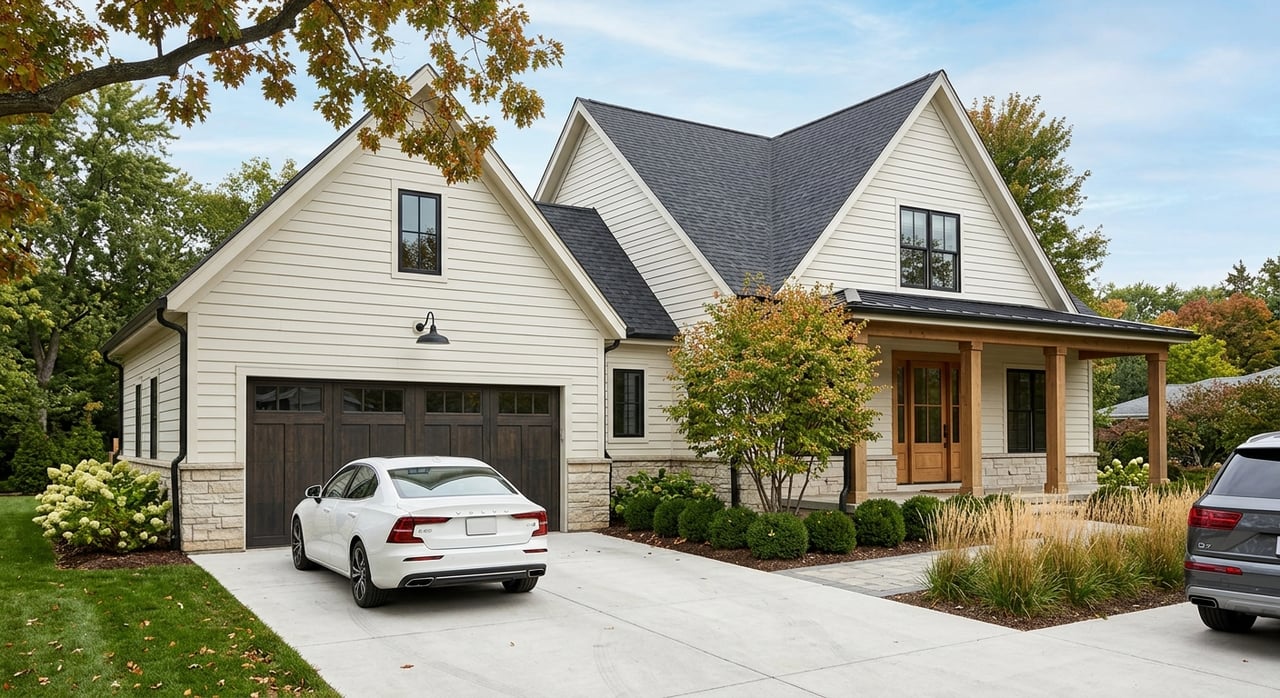
If space is high on your list, a single-family home may be the best fit. This option often appeals to buyers who want more room, a yard, and a layout that can support long-term living needs. If you are willing to drive a bit more to the station or highway, you may have more flexibility in the type of home you choose.
Townhomes and attached homes
If you want a lower-maintenance lifestyle, attached homes and townhomes are worth considering. These options can be especially practical for first-time buyers, busy professionals, or downsizers who want to stay mobile without taking on the upkeep of a larger property.
Station-area homes
For some buyers, convenience is the top priority. Homes near the downtown station area can make the daily rail routine simpler, especially if you want to reduce drive time, parking stress, or the number of steps in your morning schedule.
Budgeting for commute convenience
Convenience usually comes with tradeoffs, and budget is one of the biggest. Census QuickFacts reports a median owner-occupied home value in Mokena of $401,400. It also reports median monthly owner costs with a mortgage of $2,575 and a median gross rent of $1,254.
Those figures do not tell you what a specific home near transit or highways will cost, but they do provide a useful baseline for planning. As you compare options, it can help to weigh monthly housing expense against the time, fuel, parking, and routine stress that a more convenient location may save you.
Who Mokena may suit best
Mokena can make sense for several kinds of buyers. Move-up buyers may appreciate the combination of owner-occupied stability, housing variety, and regional access. First-time buyers and downsizers may find attached or lower-maintenance options that support a practical commute.
The village’s comprehensive plan also states that Mokena should provide more housing choices for senior citizens, empty nesters, and starter households. That supports the idea that commuter-friendly living here is not just for one buyer profile. It can fit different life stages if the location and home type match your routine.
Final thoughts on commuting in Mokena
If commuting is one of the biggest factors in your next move, Mokena gives you more than one path to consider. You can focus on Metra access near downtown and Front Street, or you can prioritize road connections near the I-80 corridor and major arterial routes. The key is finding the right balance between commute style, housing type, and monthly cost.
A thoughtful home search looks at more than square footage. It looks at how your mornings feel, how easily you can reach work or transit, and whether the home supports the way you actually live. If you want help narrowing down commuter-friendly options in Mokena, connect with Lena Matariyeh for local guidance tailored to your goals.
FAQs
What makes Mokena a good choice for commuters?
- Mokena offers access to Metra’s Rock Island District plus direct access to I-80 and convenient access to I-355, I-57, and I-294, giving buyers both train and highway commuting options.
Where should you look for homes near Metra in Mokena?
- Buyers focused on rail access often start with downtown Mokena and the Front Street area because that is where the village concentrates commuter parking and station-related activity.
Are there commuter parking options in downtown Mokena?
- Yes. The village says public commuter lots are first-come, first-served at $2 per day on weekdays, with weekends and holidays free.
What roads matter most for drivers in Mokena?
- Buyers who drive often usually pay close attention to I-80, US-45 and LaGrange Road, 191st Street, US-30, 80th Avenue, and Wolf Road because these routes play a major role in local and regional travel.
What kinds of homes can commuters find in Mokena?
- Mokena includes traditional single-family homes as well as attached options such as townhomes, duplexes, triplexes, quadplexes, patio homes, and low-rise multifamily housing.
What is the typical housing cost context in Mokena?
- Census QuickFacts reports a median owner-occupied home value of $401,400, median monthly owner costs with a mortgage of $2,575, and median gross rent of $1,254, which can help you frame your search budget.