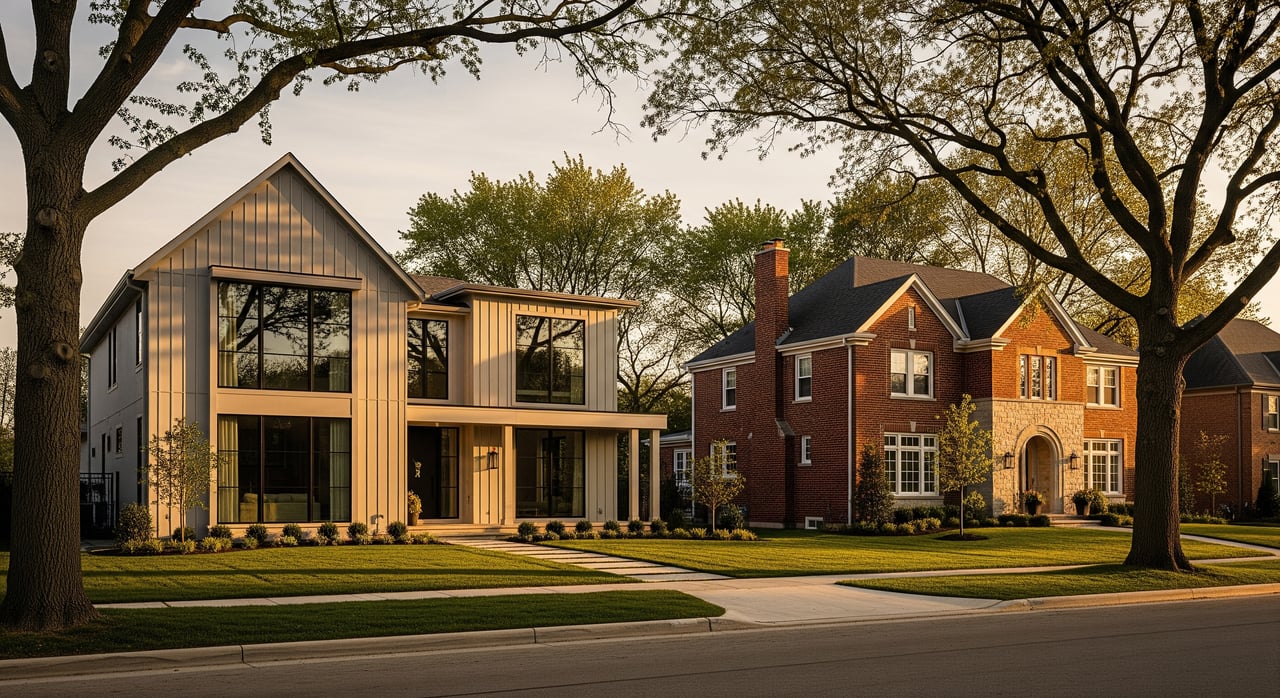
Trying to decide between a brand-new build or a move-in-ready resale in Homer Glen? You are not alone. Many buyers want modern features and efficiency, but also need a predictable budget and timeline. In this guide, you will learn how new construction and resale stack up on cost, lots and approvals, timing and financing, inspections and warranties, and practical tradeoffs in Homer Glen. Let’s dive in.
Homer Glen snapshot for buyers
Homer Glen is a Will County suburb within the Chicago-Naperville-Arlington Heights metro. The housing stock is primarily single-family homes, and buyers often prioritize larger lots, newer schools, and suburban amenities with commuter access to Chicago and nearby job centers. Local pricing and days on market move quickly, so the smartest first step is to compare recent Homer Glen sales and builder price sheets for true apples-to-apples numbers.
Cost reality: price premium and budget
New construction often carries a premium over comparable resale homes. That premium comes from a builder’s base price plus options and upgrades, modern layouts and energy features, compliance with current codes, and lot premiums for desirable locations like cul-de-sacs or open-space views. In many suburban markets, the premium can range from modest to double-digit percentages when you account for upgraded finishes and larger living areas. The exact number in Homer Glen depends on current comps and builder incentives.
Chicago-area construction costs tend to run higher than national averages, which can push pricing upward. Lot cost and availability, grading, and utility hookups also influence your final budget. On the resale side, you might negotiate price or closing costs, which can offset updates you plan to do after closing.
Beyond the sticker price
- New builds may offer lower immediate maintenance and utility costs thanks to new systems and better efficiency.
- Resale homes sometimes deliver more finished square footage per dollar, especially if you are open to light updates.
- Property taxes can be reassessed after new construction is complete, so plan for potential changes compared with pre-construction estimates.
A practical approach is to compare per-square-foot prices for nearby resales and recently completed spec homes, adjusting for lot size, finished basement, garage, and major upgrades.
Lots, subdivisions, and approvals in Homer Glen
You will encounter a mix of lot options:
- Developer or subdivision lots with shared infrastructure.
- Spec homes built on new lots that are marketed for quicker move-ins.
- Infill lots within established neighborhoods, which are less common but do appear.
Availability shifts with development cycles. Some subdivisions are controlled by active builders, while other lots are privately held. If a lot is shovel-ready with infrastructure and approvals in place, your start time can be much faster. If a lot still needs stormwater work, grading, or additional reviews, add time and cost to your plan.
Permits and inspections: what to expect
Before construction, typical steps include subdivision plat approval, building permit application with drawings and site plan, staged municipal inspections during construction, and a Certificate of Occupancy once everything passes. Timing for permits and reviews can vary, so it is wise to check current estimates with Homer Glen’s building and zoning team and coordinate with Will County offices when needed.
HOAs and covenants
Many new subdivisions include HOAs with design guidelines and monthly or annual dues. These rules can affect exterior choices, fencing, landscaping, and long-term maintenance obligations. Established neighborhoods may also have HOA rules, though new communities often have more active design controls in the early years.
Timelines and financing for a 6–12 month move
If you need a clear timeline, here are general ranges to expect:
- Resale purchases commonly close in 30 to 60 days after an accepted offer. Time from listing to contract depends on market activity.
- Spec homes can often match resale timelines if they are complete or near completion.
- Build-to-order on a finished lot often runs 4 to 9 months once permits are ready.
- Custom builds or lots needing significant site work may take 6 to 12 months or longer.
For families targeting a 6 to 12 month move window, a spec home or a lot with permits already in place tends to be the safest route. A full custom build from raw land can exceed 12 months depending on approvals, weather, and contractor schedules.
Financing choices and what they mean
- Resale: You can use standard mortgage options like conventional, FHA, or VA, subject to appraisal and underwriting.
- New construction: You may use a construction-to-permanent loan with one closing, a standalone construction loan with draws and interest-only payments during the build, or a builder’s preferred lender with potential rate or upgrade incentives.
Construction loans typically require larger down payments and more documentation than standard mortgages. Lenders will appraise the completed value of the home and require plans, specs, and a cost breakdown. The timing of the appraisal, final inspections, and the conversion to your end loan can affect your closing date, so coordinate early with your lender and builder.
Contingencies that protect your plan
- If you must move by a fixed date, prioritize resale or spec homes. You can also negotiate rent-back or short-term lease options with sellers or builders in some scenarios.
- Keep a contingency fund for upgrades, site work surprises, and schedule slips due to weather or labor availability.
Inspections, warranties, and peace of mind
Even with new construction, independent inspections are a smart move. Here is how inspection and warranty protections compare.
Resale inspections
- Standard home inspection to evaluate structure and major systems.
- Specialist inspections as needed for roof, HVAC, septic, radon, or moisture concerns.
New construction inspections
- Municipal inspections at foundation, framing, mechanicals, and final stages are required.
- Independent third-party inspections are recommended in phases: foundation, pre-drywall, and final. This helps catch quality or installation issues before they are concealed.
- Most builders do a pre-delivery walk-through to document a punch list before the Certificate of Occupancy and closing.
Typical warranty coverage
Many builders follow an industry-standard structure, though specifics vary by contract:
- One year on workmanship and materials for cosmetic and finish items.
- Two years on major mechanical systems like plumbing, electrical, and HVAC.
- Ten years of limited structural coverage, often through a third-party provider. Some warranties are transferable, which can help future resale value.
Review warranty documents for scope, exclusions, start dates, and the claim process. Ask who manages warranty requests and how quickly service calls are handled. Keep all inspection records to support any post-closing claims.
Decision guide: which fits your plan
Use these cues to match your priorities with the right path.
Choose new construction if you want:
- Modern layouts, energy efficiency, and the ability to personalize finishes.
- New mechanicals with warranty coverage and lower near-term maintenance.
- A lot within a newer subdivision and you are comfortable managing options, timelines, and potential premiums.
Choose resale if you want:
- A faster, more predictable move-in timeline with standard financing.
- Better value per finished square foot or a mature lot with established landscaping.
- Flexibility to update over time rather than paying for all upgrades up front.
Checklist for Homer Glen buyers
- Clarify timeline. If you need to move in under six months, focus on resale or completed spec homes.
- Compare apples to apples. Review per-square-foot pricing on local resales and completed spec homes, adjusting for lot size, finished basements, and major upgrades.
- Confirm permits and readiness. Ask whether a lot is shovel-ready, what approvals remain, and how long permits and inspections typically take.
- Understand HOAs. Review dues, design guidelines, and maintenance obligations before you commit to a subdivision.
- Plan financing early. If building, speak with a lender who handles construction loans, and review builder incentives and rate options.
- Schedule inspections. For new builds, line up phased independent inspections. For resales, decide on any specialist inspections you may need.
- Review warranties. Get the builder’s written warranty and any third-party coverage, and understand claim procedures and response times.
- Budget for taxes and site costs. Ask about expected property tax assessments for new builds and verify potential lot prep or utility expenses.
If you want help comparing Homer Glen options side by side, we can assemble current comps, builder inventories, and timelines so you can decide with confidence. Connect with Lena Matariyeh to start a tailored plan for your move.
FAQs
How much more does new construction cost than resale in Homer Glen?
- It varies by subdivision, lot premiums, and upgrades, but new builds often carry a premium that can range from a few percent to double-digit percentages compared with similar resales.
Can I hire my own inspector during new construction in Homer Glen?
- Yes, and it is recommended to schedule phased inspections at foundation, pre-drywall, and final to verify quality and catch issues before closing.
How long do permits and approvals add to a build timeline locally?
- If a lot is shovel-ready, added time may be minimal, but if grading or stormwater reviews are required, expect added weeks or months depending on municipal schedules.
What warranties come with a new home and how do claims work?
- Many builders offer a 1-year workmanship, 2-year systems, and 10-year limited structural warranty; claim steps and response times are outlined in the builder’s documents.
Are there lot premiums in Homer Glen subdivisions?
- Yes, premiums are common for location or size, such as corner lots, cul-de-sacs, or lots backing to open space, and they are added to the base price.
How do property taxes differ for new builds versus resales in Will County?
- New construction is typically reassessed after completion, so taxes may change from initial estimates; resales have existing assessments you can review.
What financing options exist for building versus buying resale?
- Resales use standard mortgages, while new construction may involve construction-to-permanent or standalone construction loans, and some builders offer preferred-lender incentives.
What if I need to move within six months?
- Focus on resales or completed spec homes, and consider options like rent-back or short-term leases if you need flexibility around your closing date.