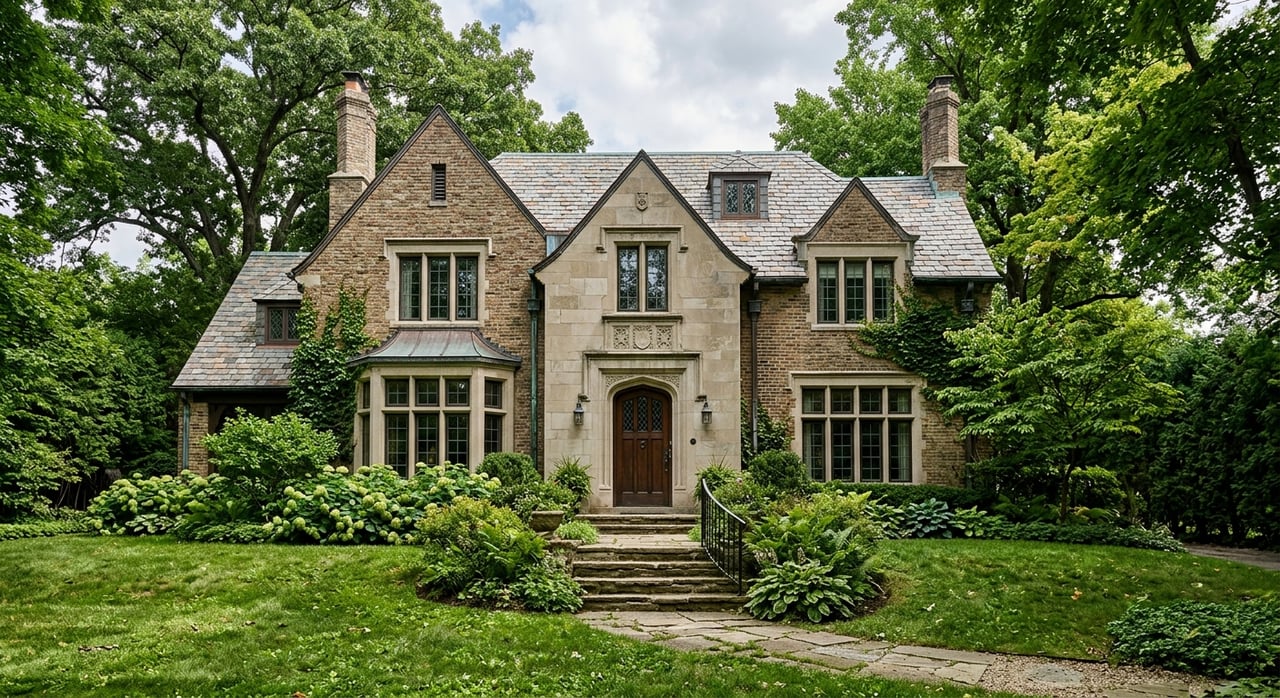
Are you the kind of buyer who walks into an older home and instantly notices the millwork, the rooflines, and the sense of history you just cannot fake? If so, Hinsdale has a lot to love. From its walkable historic core to its varied architectural styles, this village offers the kind of timeless character that still feels livable today. Let’s take a closer look at why so many people fall for Hinsdale’s historic homes.
Why Hinsdale Historic Homes Stand Out
Hinsdale is a natural place to talk about historic homes because preservation is part of how the village defines itself. Local code states that preserving historic resources helps protect and enhance landmarks and historic districts, supports property values, and educates the public about the significance of preservation. That gives older homes here a sense of purpose beyond style alone.
The housing stock also backs up that story. CMAP data for 2020 through 2024 shows that 15.8% of Hinsdale housing units were built before 1940, while the median year built is 1981. In other words, historic homes are not rare one-offs here. They are a visible and meaningful part of the village’s housing landscape.
Historic Character Meets Daily Life
One of the most appealing things about Hinsdale is that historic charm is not separated from everyday convenience. The village’s downtown architectural survey describes downtown Hinsdale as a compact, pedestrian-friendly commercial center with a strong main street feel. That means older architecture can be part of your daily routine, not just something you admire from a distance.
If you value being able to walk to restaurants, shops, or quick errands, this setting adds to the appeal of owning an older home nearby. The connection between architecture and lifestyle feels especially strong here. You are not just buying details and craftsmanship. You are buying into a place with a long-established rhythm.
Where Hinsdale’s Historic Homes Are Found
Hinsdale’s code identifies two key historic districts that shape much of the village’s architectural identity.
Downtown Hinsdale Historic District
The Downtown Hinsdale Historic District is roughly bounded by Maple Street, Lincoln Street, Garfield Street, and Second Street. This area connects historic buildings with the village’s walkable commercial core. For buyers who want character close to everyday amenities, this district often defines what makes Hinsdale feel distinctive.
Robbins Park Historic District
The Robbins Park Historic District is roughly bounded by Chicago Avenue, 8th Street, County Line Road, and Garfield Street. It is also tied to National Register recognition, along with the downtown district. Robbins Park is especially notable for the variety of home styles found throughout the area.
According to the Robbins Park survey, styles in the district include Queen Anne, Italianate, Prairie School, Colonial Revival, Tudor Revival, Craftsman, Dutch Colonial Revival, and Classical Revival. That range matters because it shows that Hinsdale’s historic appeal is not one-note. The charm comes from variety, scale, and craftsmanship as much as any single architectural style.
What Buyers Love About Older Homes Here
Historic homes in Hinsdale often appeal to buyers who want something with personality and permanence. Older homes can offer design details that feel hard to replicate, such as original proportions, distinctive facades, masonry work, and architectural texture. In a market where many homes can feel similar, that difference stands out.
There is also a deeper sense of place. Hinsdale’s preservation framework, its historic districts, and the work of the Hinsdale Historical Society all point to a community that values architectural heritage. The Historical Society has collected and preserved Hinsdale history since 1975, maintains three historic properties, operates an architecture center, and runs a plaque program that highlights the village’s built heritage.
For many buyers, that kind of local stewardship adds confidence. It suggests that the character you love today is something the community actively works to understand and preserve.
What “Historic” Really Means in Hinsdale
Before you fall in love with a historic home, it helps to understand what the label actually means. One of the biggest points of confusion is the difference between National Register status and local regulation. They are not the same thing.
National Register listing is a federal recognition program, and for a non-federal owner it does not automatically place federal restrictions on what can be done to a property unless federal assistance, licensing, or permitting is involved. Local Hinsdale designation is where review requirements may come into play for exterior changes.
When Local Review Applies
For designated landmarks, Hinsdale requires a certificate of appropriateness before exterior alterations, demolition, signage, or other physical modifications to the exterior architectural appearance. In the Robbins Park Historic District, no permit may be issued for demolition, relocation, removal of an existing residence, or construction of a new residence without a final certificate-of-appropriateness decision.
The village also uses an ad hoc design review team in Robbins Park to provide informal feedback and determine whether a historic and architectural impact study is needed for demolition or new construction. That process can be helpful if you are planning significant changes and want clarity early.
What the Standards Aim to Protect
Hinsdale’s standards are preservation-oriented, but they are not designed to force a fake version of history. The village code says alterations that do not affect essential historic features are generally acceptable. It also says original qualities should not be destroyed, false earlier appearances are discouraged, and distinctive stylistic features should ordinarily be maintained.
There is a practical side to this too. Repainting an exterior in the same kind, color, and texture is not treated as an alteration under the code. That is an important detail because it shows that routine maintenance does not always trigger the same level of review buyers may fear.
Can You Modernize a Historic Home?
Yes, you can modernize a historic home in Hinsdale, but the goal is usually compatibility rather than imitation. Updates should respect the home’s scale, materials, and character rather than erase them. That often leads to the most successful results anyway.
For buyers, this can be good news. You may be able to improve comfort and function while still protecting the details that made you love the home in the first place. A thoughtful plan matters, especially if the property is a landmark or sits in a local historic district.
Older Home Questions to Ask Early
Historic homes can be beautiful, but they also call for a more targeted inspection mindset. Asking the right questions early can help you balance emotion with smart planning.
Here are some areas worth reviewing:
- Whether the home is a designated landmark or located in a local historic district
- Roof condition and whether materials and detailing appear in keeping with the home’s character
- Brick or masonry condition, including cracks or repointing needs
- Window condition and whether repair or storm-window improvements may be possible
- Insulation and air sealing, especially in attics, walls, and floors next to unheated spaces
- Lead-related disclosures and possible lead-based paint concerns in pre-1978 homes
- Plumbing components in older homes where lead pipes, fixtures, or solder may be a concern
These are not reasons to avoid an older home. They are simply part of understanding the stewardship that often comes with one.
Efficiency and Comfort Without Losing Character
A common concern with older homes is whether they can feel comfortable and efficient without sacrificing charm. In many cases, the answer is yes. The Department of Energy notes that older homes often have less insulation than newer ones, so checking attics, walls, and floors near unheated spaces can be a smart first step.
Windows are another good example. If existing windows are in good condition, the Department of Energy says improvements like caulk, weatherstripping, storm windows, or window coverings may be the most cost-effective option. It also notes that low-e storm windows can provide savings similar to replacement at about one-third of the cost while blending more easily with existing architecture.
That is often the sweet spot for historic homes. You can look for practical upgrades that improve comfort while still preserving the details that give the home its identity.
Why Specialized Advice Matters
Not every contractor, inspector, or renovation plan approaches an older home the same way. With a historic property, details matter. Roof shape, masonry methods, window condition, and original materials can all affect both long-term performance and architectural character.
National Park Service guidance notes that brick walls can crack for several reasons, including thermal movement, structural stress, or roof thrust, and that repointing historic masonry should be handled carefully by professionals familiar with historic techniques. The same care applies to roofing, where shape and detailing are central to a home’s character and replacement materials should match the original scale, texture, and color as closely as possible.
For buyers, the takeaway is simple. A preservation-aware inspector or contractor can be a valuable part of your team when evaluating a Hinsdale historic home.
Why Hinsdale Continues to Attract Historic-Home Buyers
Hinsdale brings together several qualities that are hard to find in one place. It has a walkable historic core, a meaningful base of older housing, clear local preservation rules, and a culture that actively values architecture and neighborhood character. Those pieces work together to create a setting where historic homes feel both special and relevant.
If you are drawn to homes that tell a story, Hinsdale offers more than curb appeal. It offers context, craftsmanship, and a community that understands why those things matter. And when you approach the search with the right guidance, you can enjoy the romance of an older home while making confident, informed decisions.
If you are considering buying or selling a character-filled home in Hinsdale, Lena Matariyeh can help you navigate the details with local insight, responsive service, and a strategy tailored to your goals.
FAQs
What makes Hinsdale historic homes appealing to buyers?
- Hinsdale historic homes often appeal to buyers because of their architectural variety, craftsmanship, established setting, and connection to a walkable historic core.
What are the main historic districts in Hinsdale?
- Hinsdale’s code identifies the Downtown Hinsdale Historic District and the Robbins Park Historic District as two key historic districts tied to National Register listings.
Does National Register status restrict changes to a Hinsdale home?
- National Register status alone does not automatically restrict what a non-federal owner may do, but local Hinsdale landmark or historic-district rules may require review for certain exterior changes.
Can you update a historic home in Hinsdale?
- Yes, historic homes in Hinsdale can be updated, but local standards emphasize changes that are compatible with the home’s materials, scale, and architectural character.
What should buyers check before purchasing an older home in Hinsdale?
- Buyers should confirm whether the property is a landmark or in a local historic district, then review inspection topics such as roofing, masonry, windows, insulation, and lead-related concerns.
Is routine exterior maintenance reviewed in Hinsdale historic properties?
- Not always. Hinsdale code states that repainting the exterior in the same kind, color, and texture is not treated as an alteration.