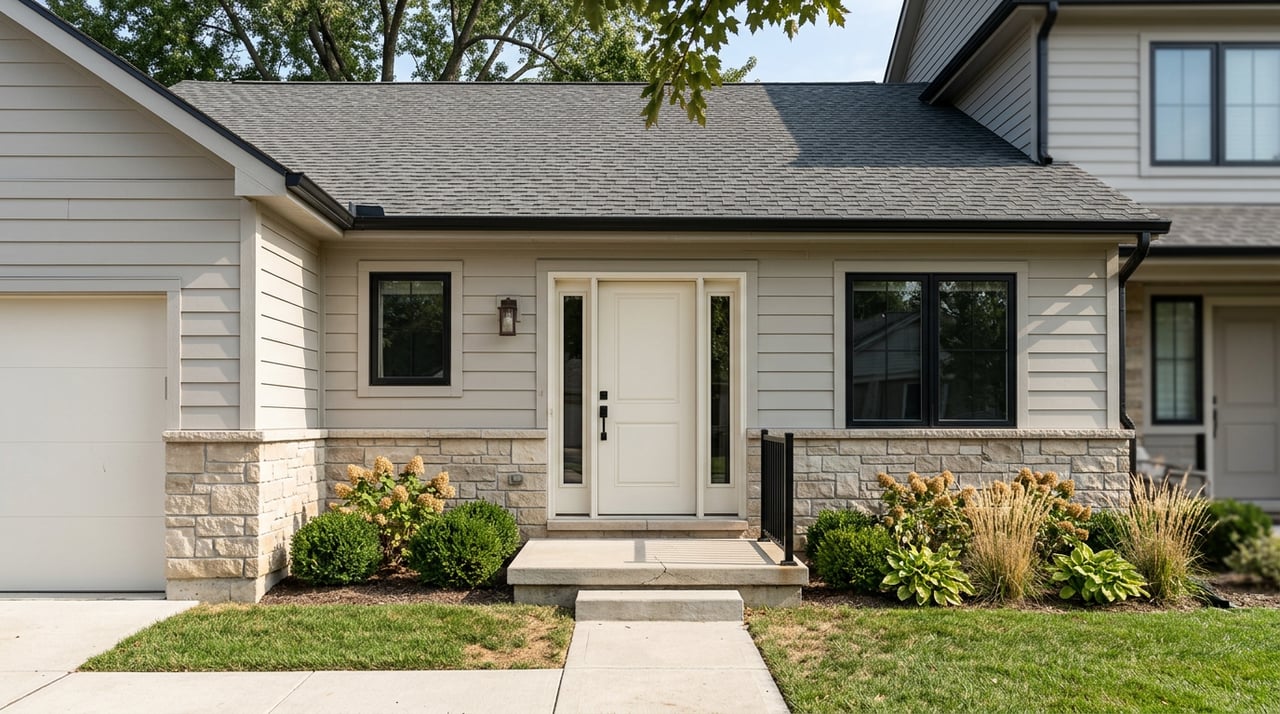
Thinking about a lower‑maintenance home without giving up suburban comforts? In Palos Heights, condos and townhomes can offer space, convenience, and easy living at prices that often sit below single‑family homes. If you are downsizing, buying your first home, or moving down from a larger house, this overview shows you what to expect, what to check, and how to buy with confidence. Let’s dive in.
Why Palos Heights fits low‑maintenance living
Palos Heights is a mature southwest suburb within the Chicago‑Naperville‑Arlington Heights metro area. The community skews a bit older than the metro overall, which often aligns with demand for single‑level and easy‑access homes that simplify daily life. You can confirm local community details and demographics on U.S. Census QuickFacts.
For occasional commuters, Palos Heights is served by Metra’s SouthWest Service, with the Palos Heights station offering a direct rail link toward downtown Chicago on select schedules. Learn more on Metra’s SouthWest Service line page.
What you can buy: condos and townhomes
Common home types
- Single‑level ranch or first‑floor condos that reduce stairs and streamline daily routines.
- Two‑story townhome‑style condos, often with an attached garage and a bit more square footage.
- Smaller 1–2 bedroom condo units in garden‑style buildings for efficient living.
- Larger 2–3 bedroom townhomes, sometimes with basements and locations near golf or country‑club settings.
Typical price ranges
- Many smaller 1–2 bedroom condos start in the low‑to‑mid $200ks, depending on size, updates, and location within the community.
- A wide band of 2‑bed/2‑bath townhome‑style condos often falls around $250k to $350k in recent months.
- Larger or upgraded townhomes can reach $350k and above, with some properties periodically above $400k.
Recent aggregated indicators suggest Palos Heights’ overall median sale price sits in the mid‑$300ks, while condo/townhome sales often trade below single‑family medians. Regionally, MLS summaries show many townhouse/condo medians in the low‑to‑mid $200ks to $300ks in recent reporting windows. For broader context, review the 4‑county monthly trends in the MetroMLS summary.
HOA fees and what they usually include
Monthly association fees in Palos Heights commonly run anywhere from roughly $150 to $560+ per month, depending on the community, square footage, and amenities. Most associations include exterior maintenance, lawn care, snow removal, trash, common‑area insurance, and occasionally access to amenities like a clubhouse or pool. Always confirm the current fee and exactly what it covers.
Smart HOA due diligence in Illinois
Ask for the Section 22.1 resale packet
Illinois law requires a resale disclosure for condominium resales under Section 22.1 of the Condominium Property Act. Ask for the 22.1 resale packet early. It is your window into the association’s rules, reserves, insurance, and any known issues. You can read a helpful overview of required disclosures from CAI‑Illinois.
What to look for in the packet
Request these items in writing:
- Declaration, bylaws, amendments, and recorded plats
- Current budget and most recent year‑end financial statement
- Reserve study or reserve schedule
- Insurance certificate or master policy summary, including deductible
- Statement of unpaid assessments and list of units delinquent more than 60 days
- Last 12 months of board minutes
- Management contract and contacts
- Any pending or threatened litigation or engineering reports
- Rules and regulations on pets, rentals, and parking
Timing and document fees
Sellers typically order the 22.1 packet promptly after contract acceptance. Associations may charge a document fee and need time to compile materials. Ordering the packet right away helps keep your financing on track and reduces the risk of delays.
Red flags to watch
- Low reserve balances compared with the replacement schedule
- High delinquency rates or a large share of investor‑owned units
- Ongoing or major litigation
- Large capital projects without a funding plan
- Unclear or restrictive leasing, pet, or parking rules that limit flexibility
For guidance on dispute processes and education, the IDFPR Ombudsperson can be a resource. Visit the IDFPR Condominium and Common Interest Community Ombudsperson page. For legal interpretation or contract language, consult your attorney.
Financing and insurance basics
Lender condo project checks
Most conventional lenders follow Fannie Mae and Freddie Mac project standards. Your lender can run a project review through Fannie Mae’s Condo Project Manager. If a project is “non‑warrantable,” you may need a portfolio loan with different terms. Ask your lender to check the project early through Fannie Mae’s Condo Project Manager.
FHA and VA buyers
If you plan to use FHA or VA financing, confirm the condominium’s approval status early. FHA approvals must be active through closing. You can search for approved projects using HUD’s FHA Approved Condominium lookup tool.
Master policy and your HO‑6
Associations carry a master insurance policy. Some are “bare walls,” while others include more interior coverage. You should get an HO‑6 policy to cover your interior finishes, personal property, liability, loss‑of‑use, and often a loss‑assessment endorsement. Learn about HO‑6 coverage basics from Westfield Insurance’s condo insurance overview.
Practical timeline tips
- Get preapproved before touring in earnest.
- Ask your lender to run the condo project check right away.
- Have your attorney request the 22.1 packet immediately after contract acceptance to protect timelines and financing.
Maintenance and ownership responsibilities
What associations usually cover
Associations typically manage exterior building components, grounds, common elements, snow removal, exterior lighting, and common‑area insurance. Exact responsibilities vary by community.
What unit owners handle
You usually handle interior finishes and systems inside your unit, such as flooring, cabinets, appliances, and in‑unit HVAC components if individually served. Window responsibility and balcony or patio care can vary by declaration. Review governing documents and the Illinois Condominium Property Act for clarity; the Homeowners Protection Bureau’s Illinois page is a helpful reference.
Typical replacement cycles to confirm
- HVAC: about 10–20 years, depending on maintenance
- Water heater: about 8–15 years
- Roof: often 20–30 years for asphalt systems
- Exterior paint or siding refresh: about 10–20 years
Ask the association for dates of prior replacements and upcoming projects, and compare them to the reserve schedule.
Quick buyer checklist
- Get lender preapproval and ask for a condo project check through Fannie Mae’s CPM.
- Request the Illinois Section 22.1 resale package in writing immediately after contract acceptance via your attorney. See overview at CAI‑Illinois.
- Verify HOA fee amount, what it covers, current reserves, and any planned special assessments.
- Review the last 12 months of board minutes and the most recent reserve study.
- Obtain the association’s insurance certificate and secure an HO‑6 quote. Review basics via Westfield’s overview.
- If using FHA or VA, confirm approval status on HUD’s FHA condo lookup.
- Estimate property taxes using city resources. See Palos Heights’ property tax page.
- Hire an inspector with condo/townhome experience and have your attorney review all documents.
Local resources
- City information and tax links: Palos Heights property tax page
- Commuter rail: Metra SouthWest Service
- Illinois condo resale disclosures: CAI‑Illinois 22.1 guide
- State education and assistance: IDFPR Ombudsperson
- Financing project eligibility: Fannie Mae CPM
- FHA approval status: HUD FHA condo lookup
Next steps and how we help
If low‑maintenance living in Palos Heights sounds right for you, we will help you compare neighborhoods, review HOA documents, coordinate your lender’s project checks, and keep your timeline on track. Our team pairs local expertise with elevated marketing and a concierge approach, so you can move forward with clarity and confidence. Ready to tour or want a quick pricing and fee snapshot for your shortlist? Connect with Lena Matariyeh to start your plan.
FAQs
What are typical Palos Heights condo and townhome prices in 2026?
- Many smaller 1–2 bedroom condos start in the low‑to‑mid $200ks, 2‑bed/2‑bath townhome‑style condos often range from about $250k to $350k, and larger or upgraded townhomes can reach $350k and above.
What do HOA fees usually cover for Palos Heights condos and townhomes?
- Most fees include exterior maintenance, landscaping, snow removal, trash, and common‑area insurance, with some communities adding amenities like a clubhouse or pool; always confirm coverage in writing.
How do I confirm if a condo is FHA or VA approved?
- Use HUD’s online FHA condominium lookup and ask your lender to verify current approval status and timing before you write an offer.
Which documents should I review before removing contingencies?
- Request the full Illinois Section 22.1 resale packet, including declaration/bylaws, budgets and financials, reserve study, board minutes, insurance certificate, delinquency statement, and any litigation or engineering reports.
How are commutes from Palos Heights into Chicago?
- The city is served by Metra’s SouthWest Service at the Palos Heights station, which provides scheduled service toward downtown; check current timetables on the SWS line page.